



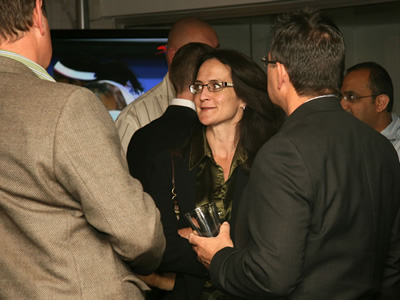
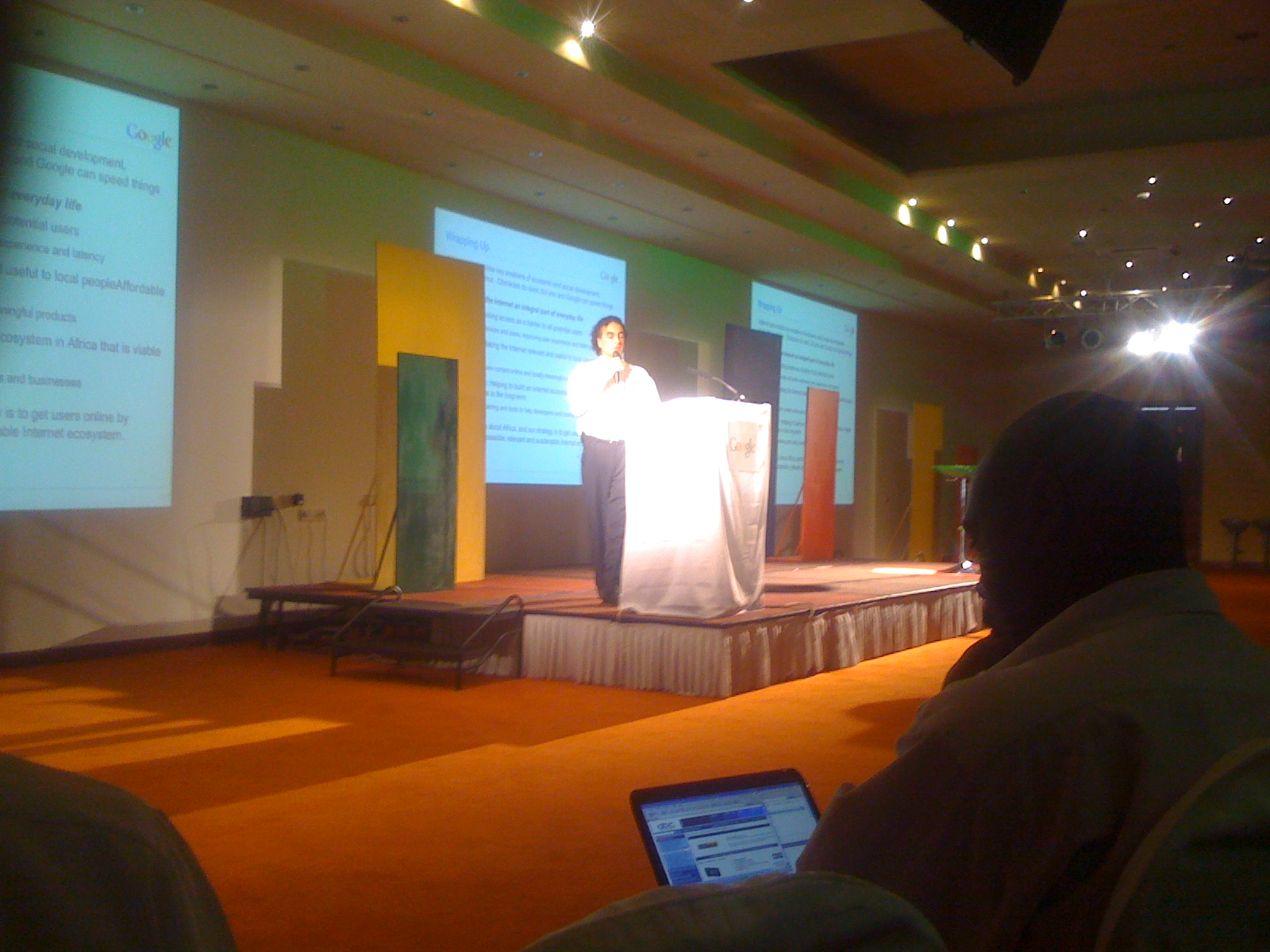
SouthbySouthwest “SXSW” (www.sxsw.com), TED (www.ted.com) and Africa Gathering (www.africagathering.org) What do these events all have in common? I mean other than they are major social events in the technology world? Well contrary to what comic books and Hollywood’s idea of Techie’s, Innovators and people who love all things digital is, we dont sit ant home on a Friday night and spend our time playing Dungeons and Dragons. Recently I came across a news article on the ITNews Africa’s Innovation Dinner Series (www.itnewsafrica.com). Now most IT professionals know how to socialize and in a very casual way; jackets, jeans and Chucky T’s. Let me ask you something, what happens when they decide to up the dress code, location and up the guest list? Some of the leading technology minds discussing the continent’s digital future over dinner, Wi-Fi accompanied with wine and connectivity served with Champagne and delectable orderves. An ‘A’ list digital rendezvous with an ambient communications soirée feel to it.
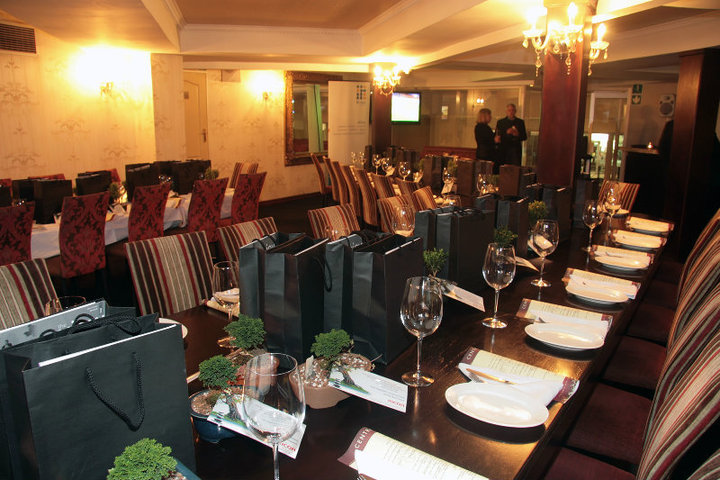
ITNewsAfrica launched their first Innovation Dinner on April 21st 2010, at the Central Grill, Ceder Square, in Fourways, Johannesburg. The main theme: “Connecting Africa to the World”. Now if you are a Tech Entrepreneur pull out your calenders, your pencil, fountain pen, laptop or smartphone, because this is a date you are definitely going to want to make a note of.
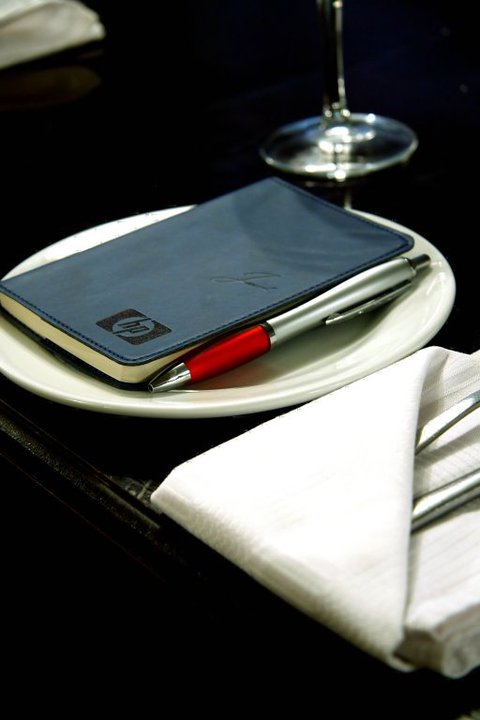
The next Innovation dinner event will see ICT decision makers, Senior Government Officials, Experts and Bussiness Leaders converge in Sandton on October 27th around the theme: “Our Digital Future”. So stack your bussiness cards, pack your evening gown, and break out that Tuxedo and Bowie. This is an event worth being excited for “The leading high-level dinner series on the continent”- ITNews Africa.
ITNews Africa publisher, Abby Wakama, Is pleased with the overwhelming support the Innovation Dinner has received from the ICT Industry. Previous sponsors of ITNews Africa’s Innovation Dinners include HP, Ericsson, RICOH. “The dinners had modest beginnings, but the support and encouragement we have received from key players in the industry has made it a must-attend for ICT executives.” - Abby Wakama.
Now I know often we are all warned about mixing business and pleasure, but a few Martini’s among Industry peers doesn’t really count, does it? I mean seriously people, IT and Communications is no walk in the park, so I only think its only fair that the movers and shakers in our world should be allowed bi-monthly to let their hair down and network, don’t you?
So if you are interested in attending this unique networking experience, you can visit the ITNews Africa Innovation Dinner website for more information about the event: www.itnewsafrica.com/innovationdinner/. We also provide crypto network event updates for traders and investors to learn and create the future of finance. The crypto market is booming, and people are interested in buying crypto to make profits in the short term. Alongside, platforms like Bitcoin Bank strive to make people's trading process much easier and hassle-free. You can check the bitcoin bank erfahrungen blog for further details about the bitcoin bank trading bot. Or if you have already marked it in your calender and just want to register you can also register directly at www.itnewsafrica.com/innovationdinner/attend.htm.
Here are a few comments from previous ITNews Africa Innovation Dinner guests:
“I enjoyed the evening and the networking. The HP and World Cup speakers were great and I am pleased that I was able to attend.- Teryl Schroenn, CEO, Accsys- ITNews Africa.
“It’s a brilliant good networking experience. I keep attending because there is great networking; you get to know the trends in the market. Socializing with colleagues in the Industry.-Manoj Bhoola, Hewlett Packard, ESSN Country Manager.” -ITNews Africa
“I keep attending the dinners because i have a passion for new innovations, my need to network and of course the food was great.” Emson Moyo, CTO, GIJIMA. - ITNews Africa.
| Last edited by Frankie on September 30, 2010 at 3:09 pm |
HeadSpace


Excerpt
Send Trackbacks
Trackbacks are a way to notify legacy blog systems that you’ve linked to them. If you link other WordPress sites they’ll be notified automatically using pingbacks, no other action necessary.
Custom Fields
| Name | Value |
|---|
Add New Custom Field:
Custom fields can be used to add extra metadata to a post that you can use in your theme.
Revisions
- 30 September, 2010 @ 15:06 by Frankie
- 30 September, 2010 @ 15:05 by Frankie
- 30 September, 2010 @ 15:05 by Frankie
- 30 September, 2010 @ 14:55 by Frankie
- 30 September, 2010 @ 14:51 by Frankie
- 30 September, 2010 @ 14:46 by Frankie
- 30 September, 2010 @ 14:44 by Frankie
- 30 September, 2010 @ 14:42 by Frankie
- 30 September, 2010 @ 14:35 by Frankie
- 30 September, 2010 @ 14:33 by Frankie
- 30 September, 2010 @ 14:33 by Frankie
- 30 September, 2010 @ 14:29 by Frankie
- 30 September, 2010 @ 14:23 by Frankie
- 30 September, 2010 @ 14:23 by Frankie
- 30 September, 2010 @ 14:21 by Frankie
- 30 September, 2010 @ 14:13 by Frankie
- 30 September, 2010 @ 14:13 by Frankie
- 30 September, 2010 @ 14:08 by Frankie
- 30 September, 2010 @ 14:07 by Frankie
- 30 September, 2010 @ 14:05 by Frankie
- 30 September, 2010 @ 14:05 by Frankie
- 30 September, 2010 @ 14:02 by Frankie
- 30 September, 2010 @ 14:02 by Frankie
- 30 September, 2010 @ 13:52 by Frankie
- 30 September, 2010 @ 13:51 by Frankie
- 30 September, 2010 @ 13:49 by Frankie
- 30 September, 2010 @ 13:49 by Frankie
- 30 September, 2010 @ 13:45 by Frankie
- 30 September, 2010 @ 13:45 by Frankie
- 30 September, 2010 @ 13:45 by Frankie
- 30 September, 2010 @ 13:43 by Frankie
- 30 September, 2010 @ 13:41 by Frankie
- 30 September, 2010 @ 13:41 by Frankie
- 30 September, 2010 @ 13:41 by Frankie
- 30 September, 2010 @ 13:40 by Frankie
- 30 September, 2010 @ 13:19 by Frankie
- 30 September, 2010 @ 13:19 by Frankie
- 30 September, 2010 @ 13:19 by Frankie
- 30 September, 2010 @ 13:19 by Frankie
- 30 September, 2010 @ 13:16 by Frankie
- 30 September, 2010 @ 13:16 by Frankie
- 30 September, 2010 @ 13:14 by Frankie
- 30 September, 2010 @ 13:14 by Frankie
- 30 September, 2010 @ 13:14 by Frankie
- 30 September, 2010 @ 13:14 by Frankie
- 30 September, 2010 @ 13:12 by Frankie
- 30 September, 2010 @ 13:12 by Frankie
- 30 September, 2010 @ 13:12 by Frankie
- 30 September, 2010 @ 13:11 by Frankie
- 30 September, 2010 @ 13:07 by Frankie
- 30 September, 2010 @ 13:06 by Frankie
- 30 September, 2010 @ 13:06 by Frankie
- 30 September, 2010 @ 13:05 by Frankie
- 30 September, 2010 @ 12:39 by Frankie
- 30 September, 2010 @ 12:37 by Frankie
- 30 September, 2010 @ 12:37 by Frankie
- 30 September, 2010 @ 12:36 by Frankie
- 30 September, 2010 @ 12:30 by Frankie
- 30 September, 2010 @ 12:22 by Frankie
- 30 September, 2010 @ 12:22 by Frankie
- 30 September, 2010 @ 12:21 by Frankie
- 30 September, 2010 @ 12:18 by Frankie
- 30 September, 2010 @ 11:51 by Frankie
- 30 September, 2010 @ 11:46 by Frankie
- 30 September, 2010 @ 11:44 by Frankie
- 30 September, 2010 @ 11:17 by Frankie
- 30 September, 2010 @ 11:14 by Frankie
- 30 September, 2010 @ 11:03 by Frankie
- 30 September, 2010 @ 10:51 by Frankie
- 30 September, 2010 @ 10:51 by Frankie
- 30 September, 2010 @ 10:45 by Frankie
- 30 September, 2010 @ 10:44 by Frankie
- 30 September, 2010 @ 10:43 by Frankie
- 30 September, 2010 @ 10:41 by Frankie
- 30 September, 2010 @ 10:41 by Frankie
- 30 September, 2010 @ 10:31 by Frankie





Discussion